Keno - earnph Keno guide
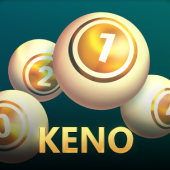
Eighty numbered balls, twenty drawn each round — circle your lucky spots and let gravity do the rest.
Direct answer: Keno is a number-draw game — pick between one and ten spots on an 80-number grid, twenty balls drop, and every spot that matches a drawn ball pushes your payout up a paytable tier. Rehearse in Keno Demo first, then bring flat stakes to earnph Keno rounds.
Other quick-pick tables nearby

The feel of an earnph Keno session
In short: lottery-hall nostalgia meets mobile speed — glowing number boards, rapid ball drops, and zero waiting between rounds.
The board reads like a classic bingo hall wall: bold numerals in a neat grid, satisfying ping sounds as matches light up gold, and a running hit counter beside your stake. Rounds run about thirty seconds, so sessions stay brisk without the sensory overload of modern slots.
How the Keno draw actually pays
Mechanics in brief: spots in, balls out, hits mapped to tiers.
- Choose spots: tap one to ten numbers; more spots raise top-tier ceilings but lower hit probability per ball.
- Set stake: your bet multiplies whichever paytable tier you reach.
- Draw: twenty balls surface; matched spots flash while the counter ticks.
- Payout: the game checks your hit count against the posted table and credits instantly.
Features worth knowing before you play Keno
- Multi-round cards: lock one number set across five or ten consecutive draws to smooth variance.
- Quick pick: random spot generation for players who prefer superstition-free entries.
- Honest rehearsal: Keno Demo mirrors live draw frequency, making practice data trustworthy.
- Transparent history: last fifty draws stay viewable — useful for pacing, not prediction.
- Safe install: Android users should use only the official earnph download apk page; verified builds are part of earnph security standards alongside encrypted payments.
Reading Keno's return rate realistically
Expectation check: keno typically returns 90–95% over millions of draws — among the softer rates in the casino, so budget accordingly.
- Long-run math: the rate describes aggregate outcomes; single sessions swing widely in both directions.
- Spot-count tradeoff: mid-range picks (four to six spots) historically balance hit frequency against payout size best.
- Demo data: log fifty Keno Demo rounds before real stakes — personal draw history beats gut feeling.
A steady-hand strategy for Keno rounds
Core habit: flat stakes, fixed spot counts, hard exit points — nothing fancier works because every draw is independent.
- Keep each round's bet near 1–2% of balance so cold stretches never end a session early.
- Stick to one spot count per session; switching constantly makes results impossible to read.
- Stop at either +30% profit or −30% loss — write both numbers down before the first draw.
- Treat hot-number charts as entertainment; past draws carry no memory into future ones.
Terms you will meet on this page
- Spot
- A single number you select on the 80-grid; your whole entry is called a "card" of spots.
- Catch
- A drawn ball matching one of your chosen spots — catches drive every payout tier.
- Paytable tier
- The fixed reward schedule mapping catch counts (per spot count) to payout multiples.
Want a card-based change of pace after number draws? The head-to-head speed of Dragon Tiger is two-card simplicity at its finest. For platform licensing and payment proof behind these games, the About Earnph page lays out credentials, and common account questions already have answers on Earnph Faqs.